

diseaseeeeeee


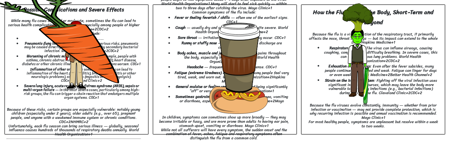
Storyboard Text
- Slide: 1
- What is the Flu?The flu, or influenza, is a contagious respiratory illness caused by viruses that infect the nose, throat and lungs. World Health Organization+2Hopkins Medicine+2 These viruses are distinct from the viruses that cause so-called “stomach flu” (which typically cause diarrhoea and vomiting) — the flu affects primarily the respiratory system. Mayo Clinic+1Each year, seasonal influenza affects a large portion of the world’s population. According to the World Health Organization (WHO), globally there are around a billion cases of seasonal flu annually, including 3–5 million cases of severe illness. World Health Organization Because influenza viruses constantly change (mutate), new strains emerge — which is also why many people get vaccinated each year. Mayo Clinic+1The flu spreads easily. The viruses can be transmitted when an infected person coughs, sneezes, or talks, releasing droplets that others can inhale. Hopkins Medicine+1 It’s also possible to get infected by touching a surface contaminated with the virus (for example, a doorknob or phone) and then touching your nose, mouth or eyes. Mayo Clinic+1Onset and Common SymptomsOne defining feature of the flu is how suddenly it tends to strike. Most people begin to feel symptoms about 1–4 days after exposure to the virus. World Health Organization+1 Many will start to feel sick quickly — within two to three days after catching the virus. Mayo Clinic+1Common symptoms of the flu include:Fever or feeling feverish / chills — often one of the earliest signs. CDC+1Cough — usually dry and sometimes becoming quite severe. World Health Organization+2Hopkins Medicine+2Sore throat — irritation or pain in the throat may occur. CDC+1Runny or stuffy nose — congestion and nasal discharge are common. CDC+1Body aches, muscle and joint pain — aches and pains throughout the body, especially in muscles and joints. World Health Organization+2NHMRC+2Headache — frequent and sometimes intense. CDC+1Fatigue (extreme tiredness) and weakness — many people feel very tired, weak, and worn out. World Health Organization+2Hopkins Medicine+2General malaise or feeling unwell — a sense of being significantly “off” or very unwell. World Health Organization+1Sometimes gastrointestinal symptoms — such as nausea, vomiting or diarrhoea, especially in children. Hopkins Medicine+2Mayo Clinic+2In children, symptoms can sometimes show up more broadly — they may become irritable or fussy, and are more prone than adults to having ear pain, stomach upset, vomiting or diarrhoea. Mayo Clinic+1While not all sufferers will have every symptom, the sudden onset and the combination of fever, aches, fatigue and respiratory symptoms often distinguish the flu from a common cold. CDC+2World Health Organization+2How the Flu Affects the Body, Short-Term and BeyondBecause the flu is a viral infection of the respiratory tract, it primarily affects the nose, throat and lungs — but its impact can extend to the whole body. Hopkins Medicine+1Respiratory distress: The virus can inflame airways, causing coughing, congestion and difficulty breathing. In severe cases, this can lead to serious lung problems. World Health Organization+2CDC+2Exhaustion and weakness: Even after the fever subsides, many people continue to feel tired and weak. Fatigue can linger for days or even weeks. Hopkins Medicine+2Better Health Channel+2Strain on the immune system: Fighting off the viral infection uses significant immune resources, which may leave the body more vulnerable to secondary infections (e.g., bacterial infections) during or after the flu. Cleveland Clinic+2CDC+2Because the flu viruses evolve constantly, immunity — whether from prior infection or vaccination — may not provide complete protection, which is why recurring infection is possible and annual vaccination is recommended. Mayo Clinic+1For most healthy people, symptoms are unpleasant but resolve within a week to two weeks. World Health Organization+2Better Health Channel+2Possible Complications and Severe EffectsWhile many flu cases are mild or moderate, sometimes the flu can lead to serious health complications — even death, especially among people at higher risk. World Health Organization+2CDC+2Common complications include:Sinus and ear infections — inflammation or infection of the sinuses or ears. Mayo Clinic+2Better Health Channel+2Pneumonia (lung infection) — one of the more serious risks; pneumonia may be caused directly by the influenza virus or by secondary bacterial infection. World Health Organization+2CDC+2Worsening of chronic medical conditions — for example, people with asthma, chronic obstructive pulmonary disease (COPD), heart disease, diabetes or other chronic illnesses may see their conditions worsen. CDC+1Inflammation of other organs: In some cases, the flu can lead to inflammation of the heart (myocarditis), brain (encephalitis or other neurologic problems), or muscles (myositis or rhabdomyolysis). CDC+2Cleveland Clinic+2Severe lung injury, acute respiratory distress syndrome (ARDS), sepsis or multi-organ failure — in the most severe cases, particularly among high-risk groups, the flu can trigger a chain reaction that endangers multiple organ systems. CDC+1Because of these risks, certain groups are especially vulnerable: notably young children (especially under 2 years), older adults (e.g., over 65), pregnant people, and anyone with a weakened immune system or chronic conditions. CDC+2NHMRC+2Unfortunately, each flu season can bring serious illness — globally, seasonal influenza causes hundreds of thousands of respiratory deaths annually. World Health Organization+1Broader Impacts: Society, Health Systems, and PreventionBecause flu can cause widespread illness, it imposes substantial burdens not only on individuals but also on communities, health systems, and economies.Large numbers of people falling ill at once can lead to many hospitalizations and even deaths. For example, in countries like Australia (and others), seasonal influenza can lead to thousands of hospital admissions during peak periods. Australian Centre for Disease Control+1The ripple effects are numerous:Lost productivity: People who fall ill may be unable to work or attend school for days or weeks, which has economic implications.Healthcare strain: Hospitals and clinics may be overwhelmed during flu season.Burden on vulnerable populations: High-risk individuals may suffer disproportionately, with higher chances of severe disease or death.Social disruption: Frequent outbreaks — especially if vaccination coverage is low — may disrupt community activities, schools, and workplaces.Because of these widespread consequences, preventing influenza is a public health priority. Annual vaccination is widely recommended as the most effective way to reduce one’s risk of catching the flu or developing severe complications. World Health Organization+2Mayo Clinic+2Other preventive measures include:good hygiene (regular hand-washing), Mayo Clinic+1covering mouth and nose when coughing or sneezing, Hopkins Medicine+1keeping surfaces clean and disinfected, Mayo Clinic+1avoiding close contact with sick people and staying home when ill to prevent spreading the virus. Mayo Clinic+1When someone does get flu, treatment is largely supportive (rest, hydration, symptom relief). For people at high risk or with severe illness, antiviral medications may be prescribed — these can shorten the duration of illness by a day or so and help reduce complications if started early. Mayo Clinic+1Why Understanding the Flu MattersUnderstanding what the flu is, how it spreads, its symptoms, and its possible consequences matters for several reasons.First, many people dismiss the flu as “just a bad cold,” but as we can see, its effects can be far more serious — not only causing days of severe illness, but also leading to complications like pneumonia, organ inflammation or even death.Second, because influenza viruses change often, past infection or prior immunity does not guarantee protection. Awareness and preparedness — especially in high-risk individuals — can make a big difference.Third, by practising preventive measures (vaccination, hygiene, isolation when sick), individuals can help protect not only themselves, but others — including more vulnerable members of the community (infants, elderly, immunocompromised).Finally, because the flu affects many people globally each year, reducing its spread helps lessen the burden on healthcare systems and communities — especially important during overlapping seasons with other illnesses (e.g., COVID-19, RSV, etc.).ConclusionThe flu is much more than a passing illness or a “common cold.” Caused by influenza viruses, it is a contagious respiratory disease that can strike rapidly and severely, producing a constellation of symptoms — fever, cough, aches, fatigue, and more. For many, recovery happens within a week or two. But for others — especially young children, older people, pregnant individuals, or those with chronic health conditions — the flu can lead to dangerous complications: pneumonia, inflammation of organs, exacerbation of existing illnesses, even death.Because the virus is constantly evolving, and because exposure remains widespread, it's important to remain vigilant: practice good hygiene, avoid close contact when sick, and — especially — get vaccinated annually when possible. In doing so, we protect not only ourselves, but our family, friends, and the broader community.
- Slide: 2
- Onset and Common SymptomsOne defining feature of the flu is how suddenly it tends to strike. Most people begin to feel symptoms about 1–4 days after exposure to the virus. World Health Organization+1 Many will start to feel sick quickly — within two to three days after catching the virus. Mayo Clinic+1Common symptoms of the flu include:Fever or feeling feverish / chills — often one of the earliest signs. CDC+1Cough — usually dry and sometimes becoming quite severe. World Health Organization+2Hopkins Medicine+2Sore throat — irritation or pain in the throat may occur. CDC+1Runny or stuffy nose — congestion and nasal discharge are common. CDC+1Body aches, muscle and joint pain — aches and pains throughout the body, especially in muscles and joints. World Health Organization+2NHMRC+2Headache — frequent and sometimes intense. CDC+1Fatigue (extreme tiredness) and weakness — many people feel very tired, weak, and worn out. World Health Organization+2Hopkins Medicine+2General malaise or feeling unwell — a sense of being significantly “off” or very unwell. World Health Organization+1Sometimes gastrointestinal symptoms — such as nausea, vomiting or diarrhoea, especially in children. Hopkins Medicine+2Mayo Clinic+2In children, symptoms can sometimes show up more broadly — they may become irritable or fussy, and are more prone than adults to having ear pain, stomach upset, vomiting or diarrhoea. Mayo Clinic+1While not all sufferers will have every symptom, the sudden onset and the combination of fever, aches, fatigue and respiratory symptoms often distinguish the flu from a common cold.
- Slide: 3
- How the Flu Affects the Body, Short-Term and BeyondBecause the flu is a viral infection of the respiratory tract, it primarily affects the nose, throat and lungs — but its impact can extend to the whole body. Hopkins Medicine+1Respiratory distress: The virus can inflame airways, causing coughing, congestion and difficulty breathing. In severe cases, this can lead to serious lung problems. World Health Organization+2CDC+2Exhaustion and weakness: Even after the fever subsides, many people continue to feel tired and weak. Fatigue can linger for days or even weeks. Hopkins Medicine+2Better Health Channel+2Strain on the immune system: Fighting off the viral infection uses significant immune resources, which may leave the body more vulnerable to secondary infections (e.g., bacterial infections) during or after the flu. Cleveland Clinic+2CDC+2Because the flu viruses evolve constantly, immunity — whether from prior infection or vaccination — may not provide complete protection, which is why recurring infection is possible and annual vaccination is recommended. Mayo Clinic+1For most healthy people, symptoms are unpleasant but resolve within a week to two weeks.