

What is the impact of ....?


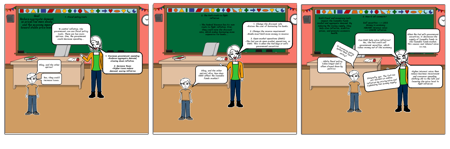
Storyboard Text
- Slide: 1
- 1. Fiscal policy tools
- Goal: Reduce aggregate demand, so prices rise more slowly and the economy movestoward stable price levels
- To control inflation, the government can use fiscal policy tools. There are two main options. One, the government could decrease spending...
- 1. Decrease government spending -Reduces aggregate demand,slowing down inflation.2. Increase Taxes-Higher taxes reducedemand, easing inflation
- Okay, and the other option?
- Two, they could increase taxes.
- Slide: 2
- 2. The Fed's tools to fight inflation
- 1. Change the discount rate-Raises the cost of borrowing for banks.2. Change the reserve requirement-Banks must hold more money in reserve3. Open market operations (OMO)-The Fed can do open market operations, or OMO. This is when the Fed buys or sells government securities
-
- - The Federal Reserve has its own tools to fight inflation. First, they could raise the discount rate, which makes borrowing more expensive for banks...
- Okay, and the other option? Also, how does OMO affect the loanable funds market?
- Slide: 3
- Both Fiscal and monetary tools impact the loanable funds market and aggregate demand. By reducing the money supply, they help slow inflation, stabilize prices, and promote economic health.
- 3. How it all connects?
- Sell securities --> LESSMoney in economyHIGHER interest rates--> LOWER inflation
- When the Fed sells government securities, it decreases the supply of loanable funds in the loanable funds market. This causes real interest rates to rise.
-
- Can OMO help solve inflation? Yes, the Fed could sell government securities, which takes money out of the economy
- Is monetary policy better than fiscal policy?
- ...While fiscal policy takes longer and is often slowed down by politics
-
- Generally, yes. The fed can act quicker to reduce inflation by raising rates and tightening the money supply.
- Higher interest rates then reduce business investment and consumer spending, shifting AD to the left and lowering the price level to fight inflation